Space-Saving Bi-Fold Door Designs Built to Last
Unlocking Style: The Definitive Guide to Bifold Doors for Your House
Modern homes have found a significant enhancement in bifold doors. They provide a distinctive combination of functionality and elegance, allowing for a seamless shift between indoor and outdoor spaces. With various materials and design options available, property owners can customize these doors to match their style preferences. Yet, choosing the appropriate bifold doors encompasses more than visual appeal. Understanding their functionality and installation is essential for maximizing their benefits. Examining these elements uncovers considerably more.
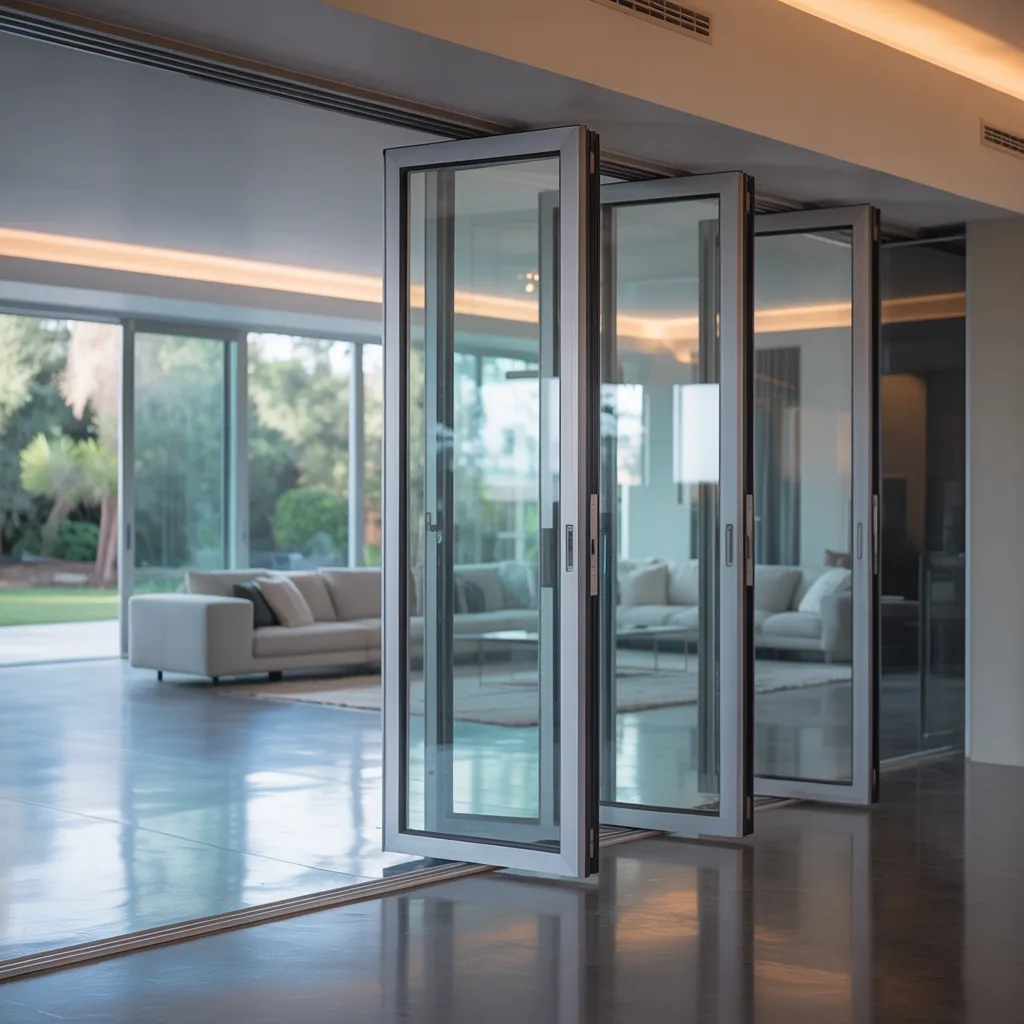
Learning About Bifold Doors: How They Function and What They Are
Bifold doors function as a modern architectural answer that fluidly connects indoor and outdoor environments. These doors are composed of multiple sections that fold and compress to one side, forming a broad entryway. Usually constructed from lightweight materials, bifold doors function on a rail mechanism, enabling effortless and fluid operation. Once opened, they offer an unrestricted view and improved ventilation, rendering them perfect for patios, gardens, and open-plan living spaces. Additionally, bifold doors can be customized in various sizes and configurations, catering to different architectural styles and preferences. Their construction not only optimizes natural illumination but also elevates the visual charm of a residence, combining practicality with sophistication. Overall, bifold doors represent a modern solution for enhancing living environments.

Selecting the Correct Material for Your Bifold Doors
Selecting the appropriate material for bifold doors substantially impacts their performance, longevity, and overall visual appeal. Typical materials include wood, aluminum, and vinyl, each providing different advantages. Wood offers a classic, warm appearance but demands routine maintenance to stop warping and decay. Aluminum is highly durable, impervious to the elements, and demands little upkeep, making it ideal for modern designs. Vinyl, in contrast, provides outstanding insulation and is easy to maintain, although it access resource may not have the same design appeal as wood or aluminum. Moreover, it is essential to evaluate energy efficiency, as various materials can affect insulation properties. Ultimately, homeowners should evaluate their personal style preferences, budget, and maintenance requirements when choosing the perfect material for their bifold doors.
Design Choices: Styles and Finishes You Should Consider
When evaluating design options for bifold doors, homeowners can investigate a array of styles and finishes that elevate both functionality and aesthetic appeal. Popular styles include current, traditional, and rustic, each offering distinctive visual characteristics. Contemporary bifold doors often present sleek lines and minimalistic designs, while traditional options may include decorative molding and classic frames. Rustic styles, on the other hand, use natural wood finishes to create a warm, inviting atmosphere.
The finish is equally important for the overall aesthetic. Options such as painted, stained, or natural finishes are available to suit any interior design scheme. Additionally, hardware choices, such as handles and hinges, add a bespoke touch, allowing for personalization to suit individual tastes and home decors.
Measuring for Bifold Doors: A Guide
Exact measurements are vital for fitting bifold doors correctly. To ensure this, one must obtain the essential tools and materials prior to starting the measurement process. Using a clear set of steps will confirm that the measurements are accurate, ensuring a successful installation.
Required Supplies and Materials
For accurate bifold door measurements, it's necessary to collect essential tools and materials that provide precision during the procedure. A reliable tape measure is vital for obtaining accurate dimensions of the door opening. A level confirms the installation surface is even, preventing problems when fitting the doors. A pencil or chalk is required for indicating measurements on the wall or floor. Additionally, a notepad helps keep track of the measurements taken. When dealing with larger openings, an assistant can be useful to keep the tape measure stable. Keeping these tools available will enable a more efficient measurement process, resulting in a superior-fitting bifold door solution for any residence.
Instructions for Exact Measurements
Proper measurement of bifold doors necessitates careful attention to detail to secure a perfect fit. The initial step involves measuring the width of the opening at three separate points—top, middle, and bottom—to verify consistency. The smallest measurement should be recorded. Next, measure the height from the floor to the top of the door frame, again taking multiple measurements from different points to verify accuracy. The depth of the opening must be checked as well, especially if a frame will be attached. In addition, analyzing the wall space around the opening can aid in selecting the type of bifold door and its configuration. By implementing these steps, homeowners can confirm they pick the appropriate bifold doors for their space.
Installation Guidelines for a Hassle-Free Installation
During the installation of bifold doors, proper preparation is essential for a smooth setup. This encompasses gathering the required tools and verifying that the installation area is prepared. By following these pre-installation steps, one can secure a more streamlined and effective installation process.
Preparation Steps Before Installation
Careful preparation is crucial for guaranteeing a flawless installation of bifold doors. Before beginning the process, the homeowner should measure the door opening precisely, accounting for any irregularities in the frame. It is important to confirm that the floor is level and in proper condition, as this will directly impact the door's functionality. Moreover, removing any obstructions, such as furniture or fixtures near the installation area, will create a spacious workspace. Inspecting the bifold door components for any damage prior to installation will help prevent delays later on. Lastly, examining the manufacturer's instructions thoroughly verifies that all specific requirements and recommendations are understood, allowing for a better installation experience. Adequate preparation establishes the foundation for a successful bifold door fitting.
Tools Required for Setup
After confirming that the installation area is prepared, the next step involves gathering the necessary tools for the bifold door installation. Necessary tools include a measuring tape for accurate dimensions, a level to ensure the door hangs straight, and a drill for securing hinges and tracks. A stud finder is also vital to locate wall studs for correct support. Additionally, a screwdriver set will be necessary for assembly, while a hammer can help with any adjustments. Safety goggles and gloves are suggested to protect the installer during the process. Lastly, a utility knife may be necessary for trimming any excess material. Having these tools readily available will enable a more efficient and more efficient installation procedure.
Care and Maintenance for Long-Term Use
Keeping up bifold doors is crucial for ensuring their durability and peak performance. Regular cleaning is essential; homeowners should clean the doors with a gentle detergent and water to remove dirt and debris that can result in wear. Examining the tracks for obstructions is just as crucial, as buildup can impede smooth operation. Greasing the hinges and tracks with a silicone-based spray will avoid rust and facilitate seamless movement. Moreover, checking seals for deterioration helps sustain energy efficiency. It's advisable to handle any issues quickly to avoid more significant repairs. Lastly, periodic inspections can help spot potential problems early, ensuring that bifold doors remain both operational and visually appealing for years to come.
Upgrading Your Space: Creative Ways to Use Bifold Doors
Bifold doors not only enhance the aesthetic appeal of a home but also deliver versatile solutions for space management. Homeowners can innovatively employ bifold doors to smoothly link indoor and outdoor spaces, allowing natural light to flow while creating an open-air feel. In limited areas, they can take the place of traditional doors to create the illusion of a bigger space, enhancing functionality without giving up style. Bifold doors also work as practical room dividers, facilitating flexible layouts for versatile rooms, such as home offices or playrooms. Moreover, they can be used to conceal closets or laundry areas, ensuring a neat and tidy appearance. Ultimately, bifold doors provide both utility and style, making them an outstanding selection for upgrading any living space.
FAQ
Are Bifold Doors Energy Efficient?
Energy efficiency is achievable with bifold doors, specifically when produced with double glazing and insulated materials. Their design permits better airflow and natural light, contributing to enhanced energy savings versus traditional doors when properly installed.
Can You Use Bifold Doors for Exterior Openings?
Indeed, bifold doors can be utilized for exterior openings. They offer a seamless connection between indoor and outdoor spaces, enhancing aesthetics while permitting ample natural light and airflow, making them a popular choice for gardens and patios.
How Much Should You Expect to Pay for Bifold Doors?
The cost of bifold doors typically ranges from $1,000 to $5,000, depending on material choices, dimensions, and personalization options. Luxury options, showcasing premium materials and advanced features, can extend far beyond this range, reflecting superior craftsmanship and design.
What Are the Available Security Features for Bifold Doors?
Bifold doors often feature multi-point locking systems, reinforced frames, and strengthened glass for superior security. Moreover, options including handle locks and security sensors can provide further protection against unlawful entry and intrusions.
Are Bifold Doors Suitable for Small Spaces?
Bifold doors work exceptionally well in small spaces. They open spaces efficiently while eliminating the need for swing clearance, allowing for better flow and maximizing natural light while upholding decorative charm within limited spatial configurations.